

TL;DR:
- AI-driven outreach personalizes messages based on behavioral data and adjusts timing for higher engagement. It outperforms traditional rule-based methods by threefold and requires a combination of technologies like machine learning, predictive timing, and reply classification. Successful implementation depends on starting with a hybrid model, building a solid infrastructure, and continuously monitoring response quality.
AI-driven outreach is defined as the use of artificial intelligence to automate, personalize, and time customer communications based on real behavioral data. Unlike traditional email blasts or cold call scripts, this approach reads prospect signals and adjusts messages in real time. A 2025 AI Sales Study cited by Harvard Business Review found that AI-personalized outreach boosts reply rates by 32% compared to non-AI efforts. That single number explains why marketing professionals and business owners are replacing manual sequences with AI-powered systems. Understanding what AI-driven outreach is, and how to use it correctly, is now a baseline skill for anyone serious about lead generation.
What is AI-driven outreach and how does it differ from traditional methods?
Traditional outreach runs on rules. A marketer writes a sequence, sets a schedule, and sends the same message to every contact on a list. AI-driven outreach works differently. It reads behavioral signals, such as email opens, website visits, and past purchase history, and then adjusts the message, timing, and channel for each individual prospect.

The performance gap is measurable. A 2024 Gartner analysis found that AI-powered outreach yields 3x higher engagement than traditional rule-based email automation. That gap exists because AI does not treat every prospect the same. It segments dynamically, not statically.
Predictive timing is one of the clearest examples of this difference. Forrester’s 2026 Sales Tech Wave research shows that AI scheduling based on engagement patterns lifts overall engagement by 25%. A rule-based system sends at 9:00 AM Tuesday because a marketer decided that once. An AI system sends when a specific prospect is most likely to respond, based on their actual behavior.
The most common mistake marketers make is treating AI as a drop-in replacement for their existing human sequences. AI works best as an augmentation tool, not a full replacement. The underlying value proposition, the offer, and the targeting logic still require human judgment.
| Feature | Traditional outreach | AI-driven outreach |
|---|---|---|
| Personalization | Manual, template-based | Dynamic, behavior-driven |
| Send timing | Fixed schedule | Predictive, per-prospect |
| Reply handling | Manual follow-up | Automated classification and response |
| Segmentation | Static lists | Real-time behavioral signals |
| Scale vs. quality | Scale often hurts quality | Scale maintained with relevance |
Pro Tip: Before switching to AI-driven outreach, audit your current sequences for value proposition clarity. AI amplifies what you already have. A weak offer sent at the perfect time still underperforms.
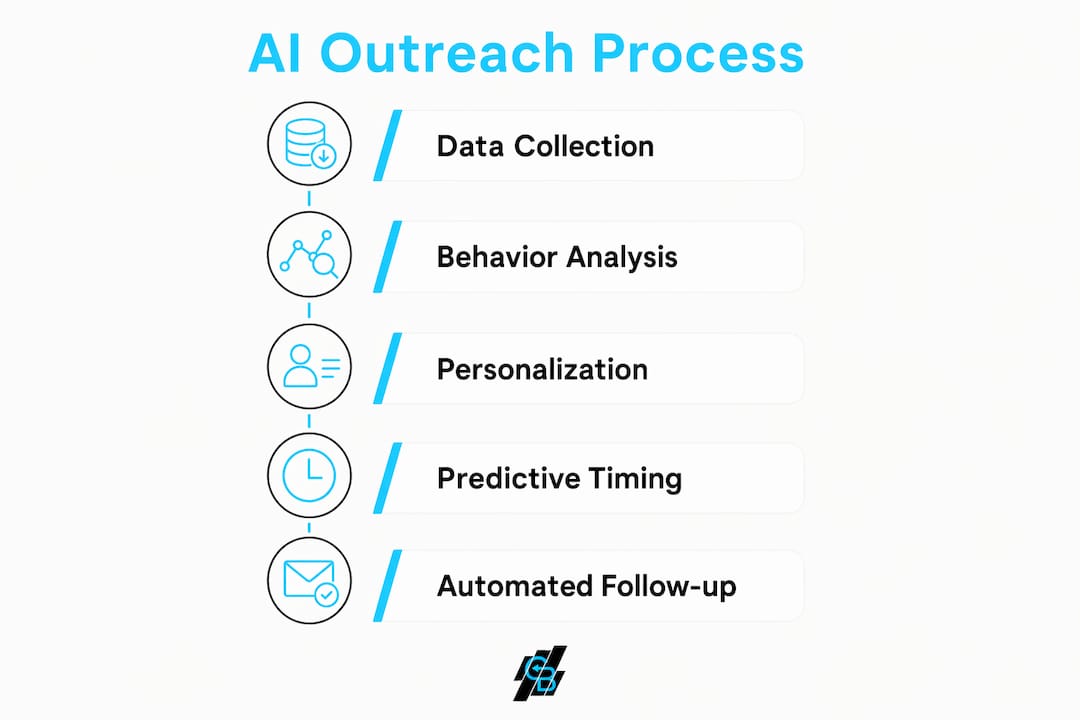
What are the core technologies behind effective AI outreach?
AI-driven outreach is not a single tool. It is a stack of connected technologies that each handle a specific part of the communication workflow. Understanding each component helps you build a system that actually converts.
The core technologies include:
- Machine learning personalization. AI models analyze past engagement data to predict which message angle resonates with each prospect segment. This goes beyond inserting a first name. It adjusts tone, subject line framing, and call-to-action based on what similar prospects responded to.
- Predictive send-time optimization. Algorithms calculate the optimal send window for each contact individually. This is the technology behind the Forrester 25% engagement lift mentioned earlier.
- Behavior-triggered sequences. Instead of calendar-based drips, these sequences fire when a prospect takes a specific action, such as visiting a pricing page or clicking a link. Behavior-triggered sequences respond to buyer intent, not just the passage of time.
- AI reply classification. The system reads incoming replies, classifies them by sentiment (interested, not interested, out of office, referral), and routes each one to the correct follow-up action. Reply handling is the major success factor that separates high-performing outreach from average campaigns.
- Data enrichment. AI tools pull firmographic and behavioral data from multiple sources to fill gaps in your CRM records before a message is sent.
- Deliverability infrastructure. Dedicated outbound domains, warm-up periods, and controlled send volumes protect sender reputation. Deliverability hygiene is a non-negotiable foundation for any AI outreach program.
Each of these components works together. Skipping reply classification, for example, means your AI sends perfectly timed messages but then drops the conversation the moment a prospect responds.
How to use AI for outreach: best practices for marketers
Knowing the technology is one thing. Knowing how to deploy it without burning your sender reputation or annoying your prospects is another. These practices separate the marketers who see results from those who generate complaints.
-
Start with a hybrid model. AI-generated cold emails underperform when fully autonomous. The best results come from AI-written personalized openers combined with human-crafted value propositions and offers. Write the core offer yourself. Let AI handle the research and the opening line.
-
Build behavior-triggered sequences, not calendar drips. A prospect who visits your pricing page at 11:00 PM is showing intent right now. A sequence that fires the next morning based on that signal outperforms a sequence that fires on day seven of a generic drip.
-
Monitor AI-generated content weekly. AI models can drift. A message that performed well in january may feel stale or off-brand by march. Review a sample of outgoing messages every week and adjust the prompts or templates driving them.
-
Protect your sender reputation from day one. Use a dedicated outbound domain separate from your main business domain. Run a warm-up period of at least three to four weeks before scaling send volume. Keep daily send limits controlled until your domain builds a positive reputation history.
-
Prioritize reply handling over opener volume. Most marketers obsess over open rates and ignore what happens after a reply arrives. Effective responsiveness drives higher conversion than initial outreach volume alone. Set up AI reply classification before you scale.
Pro Tip: Connect your AI outreach platform directly to your CRM so every reply, click, and conversion updates the prospect record automatically. Manual data entry after an AI-assisted conversation defeats the purpose of automation.
For a deeper look at how these strategies apply specifically to insurance marketing, the AI-powered outreach process guide from Callbackcrm walks through the full workflow with real examples.
What should marketers look for in AI outreach tools?
The market for automated outreach tools has grown fast. Not every platform delivers on its AI claims. When evaluating options, focus on specific functional categories rather than marketing language.
The table below outlines what each category of AI outreach tool typically offers and where each fits in a marketing workflow.
| Tool category | Core function | Best fit |
|---|---|---|
| AI email sequencers | Personalized openers, send-time optimization, A/B testing | Lead generation campaigns |
| Reply management platforms | Sentiment classification, auto-routing, follow-up drafting | High-volume outbound teams |
| CRM-integrated AI assistants | Lead scoring, behavior tracking, engagement history | Full-funnel sales workflows |
| SMS automation platforms | Behavior-triggered texts, two-way AI conversation | High-intent, time-sensitive offers |
| All-in-one marketing platforms | Combines email, SMS, CRM, funnels, and AI in one system | Agencies and growing businesses |
CRM integration is the feature most marketers undervalue at the point of purchase. AI outreach automates CRM and engagement activities, but only if the tool writes back to your contact records in real time. A platform that runs outreach in a silo and requires manual CRM updates creates more work, not less.
SMS deserves specific attention. Text messages carry significantly higher open rates than email across most industries. An AI-powered SMS tool that fires based on behavioral triggers, not just a broadcast schedule, adds a high-intent channel to your outreach mix without proportionally increasing workload.
When evaluating any platform, ask three questions. Does it classify replies automatically? Does it integrate with your existing CRM? Does it support dedicated sending infrastructure for deliverability? A “yes” to all three puts a tool in a different category from basic automation. Understanding how AI drives marketing results at a strategic level also helps you ask better questions during vendor evaluations.
Key Takeaways
AI-driven outreach outperforms traditional methods because it combines behavioral data, predictive timing, and automated reply handling into a single workflow that scales without sacrificing relevance.
| Point | Details |
|---|---|
| Definition matters | AI-driven outreach uses behavioral data to personalize and time messages, not just automate volume. |
| Performance gap is real | Gartner data shows AI outreach delivers 3x higher engagement than rule-based automation. |
| Hybrid approach wins | Combine AI-generated openers with human-written value propositions for the best reply rates. |
| Reply handling is critical | Classifying and routing replies automatically drives more conversions than scaling initial sends. |
| Deliverability is foundational | Dedicated outbound domains and warm-up periods protect sender reputation before any campaign scales. |
Why most AI outreach programs stall in the first 90 days
The marketers I watch struggle with AI outreach almost always make the same mistake. They automate the sending and ignore everything that comes after. They buy a tool, load a list, and measure success by emails sent. Then they wonder why reply rates are flat.
The real work in AI-driven outreach is downstream. It is in the reply classification, the follow-up timing, and the feedback loop that tells the AI what is actually working. AI enhances personalization but does not replace human judgment. That sentence sounds obvious until you watch a team hand full control to an AI sequence and then check the results three months later.
The second pattern I see is scaling before the foundation is solid. A team gets excited about AI personalization, skips the domain warm-up, and sends 500 emails on day one from a fresh domain. Their deliverability collapses within two weeks. Every subsequent campaign lands in spam regardless of how good the message is.
My honest advice: spend the first 30 days on infrastructure and reply handling. Get the CRM integration working. Set up the reply classifier. Warm up your domain. Then scale. The teams that do this see compounding returns. The teams that skip it spend months troubleshooting deliverability instead of closing leads. For practical guidance on AI customer engagement strategies, Callbackcrm has published detailed frameworks worth reviewing before you build your first campaign.
— Kyle
Callbackcrm’s AI-powered tools for smarter outreach
Callbackcrm is built for marketing professionals and business owners who want AI-driven outreach without stitching together five separate tools.
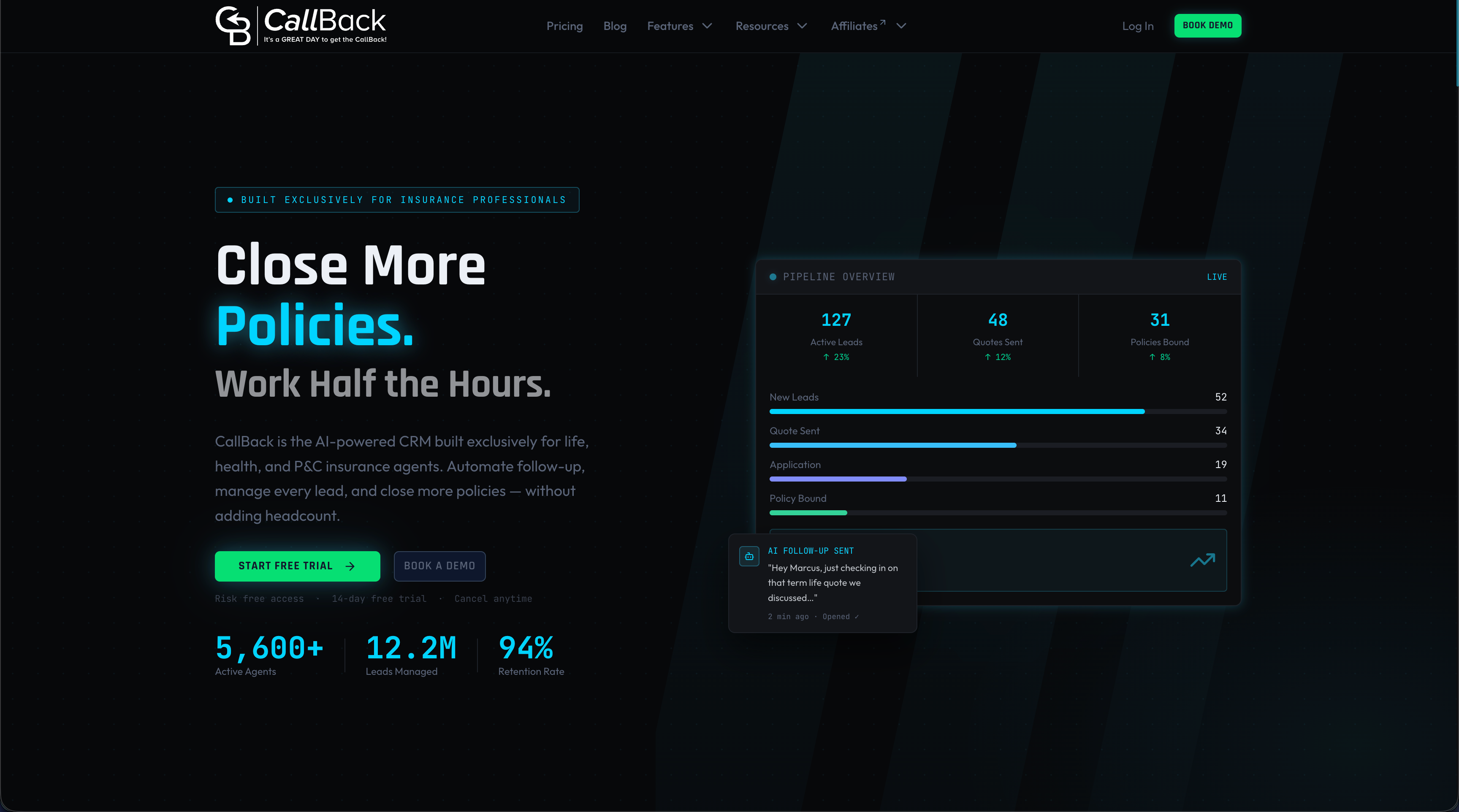
The platform combines AI-powered SMS marketing with behavior-triggered sequences, two-way conversation management, and CRM-integrated lead scoring in one place. For teams running funnel-based campaigns, the website and funnel builder connects directly to outreach workflows so every prospect action triggers the right follow-up automatically. Callbackcrm handles the infrastructure, the reply management, and the data enrichment that most standalone tools leave to you. If you are ready to run outreach that responds to real buyer behavior instead of a fixed calendar, Callbackcrm gives you the full stack to do it.
FAQ
What is AI-driven outreach in simple terms?
AI-driven outreach is the use of artificial intelligence to send personalized, well-timed messages to prospects based on their actual behavior, rather than a fixed schedule or generic template.
How does AI outreach improve reply rates?
A 2025 AI Sales Study cited by Harvard Business Review found that AI-personalized outreach boosts reply rates by 32% compared to non-AI campaigns, primarily because messages match individual prospect context.
Can AI fully replace human judgment in outreach?
No. AI excels at personalized openers, send-time optimization, and reply classification, but targeting logic, offer quality, and value proposition still require human input to perform well.
What is the biggest mistake in AI outreach campaigns?
The most common mistake is treating AI as a complete replacement for human-designed sequences instead of using it to augment research, personalization, and follow-up handling.
How do I protect email deliverability when scaling AI outreach?
Use a dedicated outbound domain separate from your main domain, run a warm-up period before scaling, and keep daily send volumes controlled until the domain builds a positive sending history.