

Selecting the right sales automation tools can feel overwhelming for insurance agents. With dozens of platforms promising productivity gains and conversion boosts, how do you know which features truly move the needle? Missing a critical step in your automation strategy can cost you thousands in lost premiums and wasted time. This comprehensive checklist walks you through the exact criteria, features, and implementation practices that top-performing insurance agents use to optimize their sales processes with automation and AI in 2026.
Table of Contents
- Essential Criteria For Selecting Sales Automation Tools
- Top Sales Automation Features For Insurance Agents
- Comparing Top Sales Automation Approaches: Crm, Ai, And Multichannel Marketing
- Implementing Your Sales Automation Checklist: Best Practices And Pitfalls
- Optimize Your Insurance Sales With Callback Crm
- Frequently Asked Questions
Key takeaways
| Point | Details |
|---|---|
| Rapid lead response | Responding within 5 minutes can increase conversions by up to 391%, making speed-to-lead automation essential. |
| CRM productivity gains | Insurance agents using CRM platforms report nearly 30% higher productivity through centralized data and automated workflows. |
| AI conversion impact | Domain-wide AI implementation delivers 10-20% sales conversion improvements and 10-15% premium growth. |
| Data foundation matters | Clean, accurate CRM data is non-negotiable; poor data quality causes 20-50% efficiency losses even with automation. |
| Multi-touch nurturing | Implementing 12+ automated touches across channels maximizes ROI and keeps prospects engaged throughout the sales cycle. |
Essential criteria for selecting sales automation tools
Before you evaluate specific platforms, you need a framework for what actually matters in insurance sales automation. The wrong tool can create more problems than it solves, especially when you’re dealing with sensitive client data and strict compliance requirements.
Start with your data foundation. Success requires clean data foundations, compliance focus, and a hybrid human-AI model. Poor data quality or over-reliance on automation leads to 20-50% efficiency losses. Your CRM must handle insurance-specific data fields like policy types, coverage amounts, renewal dates, and beneficiary information without forcing workarounds.
Compliance cannot be an afterthought. Insurance is heavily regulated, and your automation tools must support TCPA compliance for SMS and calling, maintain audit trails for all client communications, and provide data security that meets state and federal requirements. Any platform you choose should offer granular permission controls and encryption standards that protect client information.
Integration capabilities determine whether your automation actually saves time or creates new bottlenecks. Look for platforms that connect seamlessly with insurance carriers, quoting engines, policy management systems, and marketing channels you already use. Native integrations beat API workarounds every time when you’re trying to move fast.
The benefits of sales automation only materialize when your team actually uses the tools. A powerful platform with a terrible interface will sit unused while your agents revert to spreadsheets and sticky notes. Test the user experience yourself before committing, and prioritize platforms that offer mobile access for agents who work in the field.
Pro Tip: Request a trial period focused on one specific workflow, like new lead intake or policy renewal reminders. This focused test reveals whether the platform truly fits your sales process better than evaluating every feature at once.
Your automation strategy should follow a sales-marketing convergence roadmap that aligns lead generation with sales follow-up. The best tools support this alignment through shared data, coordinated messaging, and unified reporting that shows the complete customer journey.
Top sales automation features for insurance agents
Once you understand the selection criteria, focus on specific features that drive measurable results in insurance sales. Not all automation capabilities deliver equal value, and some features matter far more than others for conversion rates and productivity.
Lead management with rapid response workflows sits at the top of the priority list. CRM boosts agent productivity 29%, lead response under 5 minutes increases conversions 391%, and automated quotes raise lead-to-bind rates 22%. Your platform must capture leads from multiple sources, assign them instantly based on territory or specialty, and trigger immediate follow-up actions.
Automated multi-touch nurturing campaigns keep prospects engaged without manual effort. Insurance sales cycles often span weeks or months, and consistent touchpoints prevent leads from going cold. Your automation should support email sequences, SMS reminders, voicemail drops, and retargeting ads that work together across 12+ touches to move prospects toward a decision.

Quoting automation eliminates one of the biggest bottlenecks in insurance sales. When prospects request quotes, speed matters enormously. Platforms that integrate with carrier quoting systems and auto-populate client information can deliver quotes in minutes instead of days, dramatically improving your lead-to-bind conversion rate.
AI-powered predictive insights help you focus energy on the highest-value opportunities. The best systems analyze historical data to score leads based on conversion likelihood, identify cross-sell opportunities within your book of business, and flag policies at risk of lapsing before renewal dates arrive. This intelligence lets you work smarter instead of just faster.
Multichannel marketing integration ensures your message reaches prospects where they pay attention. Modern insurance buyers expect communication options beyond email. Your automation platform should handle SMS campaigns, ringless voicemail, social media messaging, and traditional email from a single interface with unified analytics.
Pro Tip: Prioritize platforms that offer behavioral triggers, not just time-based automation. When a prospect opens your email three times or visits your pricing page, that signal should trigger a personalized follow-up immediately, not wait for the next scheduled touchpoint.
Using CRM for agents becomes exponentially more valuable when paired with robust email automation that personalizes messages based on policy type, coverage gaps, and client life events. The combination creates a system that feels personal at scale.
Comparing top sales automation approaches: CRM, AI, and multichannel marketing
Insurance agents can choose from several automation approaches, each with distinct strengths. Understanding how CRM platforms, AI technologies, and multichannel marketing automation compare helps you build the right stack for your business.
| Approach | Primary Benefit | Best For | Typical ROI Timeline |
|---|---|---|---|
| CRM Platform | Centralized data and workflow automation | Agents managing 200+ active clients | 3-6 months |
| AI Lead Scoring | Prioritization and predictive insights | High-volume lead generation operations | 6-12 months |
| Multichannel Marketing | Broader reach and engagement | Diverse client demographics | 2-4 months |
| Hybrid AI-Human Model | Balanced efficiency and personalization | Complex sales requiring consultation | 4-8 months |
CRM platforms deliver immediate productivity gains by eliminating duplicate data entry, centralizing client communications, and automating routine tasks like birthday emails or renewal reminders. They excel at managing your existing book of business and ensuring nothing falls through the cracks.
AI technologies transform how you prioritize and engage prospects. AI sales domain transformation yields 10-20% sales conversion improvement and 10-15% premium growth when implemented across the entire sales process. AI shines in lead qualification, churn prediction, and identifying upsell opportunities that human agents might miss.
Multichannel marketing automation expands your reach beyond email to include SMS, voicemail, social media, and retargeting ads. This approach works especially well for agents serving diverse demographics who consume information through different channels. Younger prospects might prefer text messages while older clients respond better to phone calls.
The hybrid model combining AI insights with human expertise consistently outperforms pure automation or manual approaches. AI handles data analysis, lead scoring, and routine communications while agents focus on consultative selling, relationship building, and closing complex deals. This balance maximizes both efficiency and conversion quality.
Pro Tip: Start with pilot programs in two specific areas: policy renewals and initial lead qualification. These use cases typically show ROI fastest and build organizational confidence in automation before expanding to more complex sales scenarios.
AI marketing tools for insurance work best when integrated into comprehensive sales automation workflows that connect marketing activities directly to sales outcomes. Isolated tools create data silos that undermine the efficiency gains you’re seeking.
Implementing your sales automation checklist: best practices and pitfalls
Even the best automation tools fail without proper implementation. Follow these proven practices to maximize your investment while avoiding the mistakes that derail most automation projects.
-
Establish your data foundation first. Clean your existing CRM data before migrating to new platforms or launching automation campaigns. Remove duplicates, standardize formatting, and verify contact information. Automation amplifies whatever data quality you feed it, good or bad.
-
Configure rapid lead response protocols that trigger within minutes of lead capture. Prioritize speed-to-lead with response times under 5 minutes and multi-touch nurturing using 12+ automated touches for highest ROI. Set up instant notifications, auto-assignment rules, and templated first-touch messages that agents can personalize quickly.
-
Train your team on hybrid workflows that combine AI capabilities with human judgment. Over-reliance on automation creates robotic customer experiences that hurt conversion. Under-utilization wastes your technology investment. Define clear handoff points where automation ends and personal outreach begins.
-
Build compliance and data privacy protections into every automated workflow from day one. Configure consent tracking, opt-out mechanisms, and communication preferences before sending your first automated message. Retrofitting compliance is far harder than building it in initially.
-
Implement 12+ automated touches across multiple channels throughout your sales cycle. Vary the content and channel for each touchpoint to maintain engagement without overwhelming prospects. Mix educational content, social proof, and direct offers in a sequence that builds trust progressively.
-
Monitor leading indicators, not just lagging metrics. Track response times, touchpoint completion rates, and engagement scores daily. These leading indicators let you adjust campaigns in real time instead of waiting weeks to see if conversion rates improve.
Pro Tip: Create a feedback loop where your sales team reports automation failures or awkward customer interactions weekly. These frontline insights reveal gaps in your workflows that analytics alone might miss, helping you refine automation to feel more natural.
“The agents who succeed with automation treat it as a productivity multiplier, not a replacement for relationship building. Technology handles repetitive tasks so you can spend more time on high-value consultative selling.”
Common pitfalls include launching too many automated campaigns simultaneously, neglecting mobile optimization for agents working in the field, and failing to segment your audience before automating outreach. Start small, test thoroughly, and scale what works rather than automating everything at once.
Automating customer engagement requires balancing efficiency with personalization. The most successful agents use automation to maintain consistent communication while reserving personal touches for key moments in the customer journey.
Optimize your insurance sales with CallBack CRM
Putting this sales automation checklist into action requires a platform built specifically for insurance professionals. CallBack CRM integrates every capability covered in this guide into one comprehensive system designed for agents and brokers.
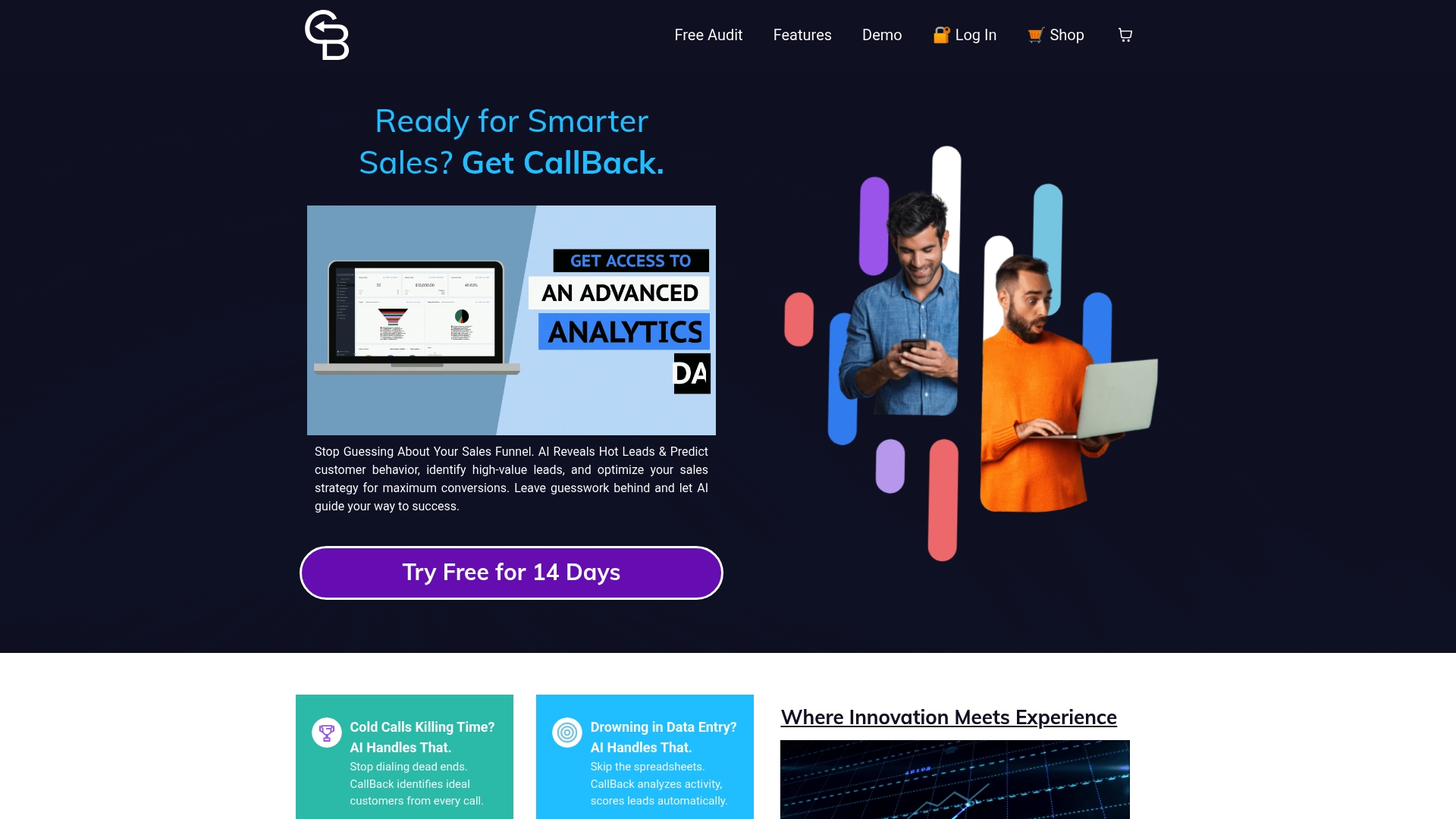
Our AI-powered lead management ensures you never miss a hot prospect with instant assignment, automated follow-up sequences, and intelligent lead scoring that prioritizes your highest-value opportunities. Multi-touch nurturing campaigns across email, SMS, and voicemail keep prospects engaged throughout your sales cycle without manual effort.
The platform includes rapid response workflows that trigger within minutes of lead capture, automated quoting integration with major carriers, and compliance tools that protect your business while maximizing outreach effectiveness. Everything runs from a mobile-friendly interface that works as well in the field as it does at your desk.
Explore our all-in-one AI tool features to see how CallBack CRM handles the complete sales automation checklist. Review our automation features in detail, or request a free marketing audit to identify specific opportunities in your current sales process.
Frequently asked questions
What is a sales automation checklist for insurance agents?
A sales automation checklist outlines the essential tools, features, and implementation practices insurance agents need to automate their sales process effectively. It helps you evaluate platforms systematically, prioritize capabilities that drive real results, and avoid common mistakes that waste time and money. The checklist covers everything from data foundations and compliance requirements to specific features like rapid lead response and multi-touch nurturing.
How quickly should insurance agents respond to leads using automation?
Responding within 5 minutes is critical for maximizing lead conversion rates. Lead response under 5 minutes increases conversions by 391% compared to slower follow-up. Your automation tools should be configured to capture leads instantly, assign them to the appropriate agent immediately, and trigger first-touch communication within minutes. This speed separates top performers from average agents in competitive insurance markets.
What role does AI play in insurance sales automation?
AI helps insurance agents prioritize leads based on conversion likelihood, automate repetitive administrative tasks, and surface predictive insights about cross-sell opportunities or lapse risks. AI sales transformation improves conversion rates by 10-20% and premium growth by 10-15% when integrated throughout the sales domain. The technology works best in a hybrid model where AI handles data analysis and routine communications while agents focus on consultative selling and relationship building.
Which sales automation features deliver the highest ROI for insurance agents?
Rapid lead response under 5 minutes and multi-touch nurturing campaigns with 12+ automated touches consistently deliver the highest returns. Multi-touch nurturing and speedy lead response drive the best ROI by keeping prospects engaged throughout lengthy insurance sales cycles. Automated quoting capabilities and AI-powered lead scoring also contribute significantly to increased efficiency and conversion rates. Focus your initial automation investment on these high-impact features before expanding to more advanced capabilities.